
AI vs Human Creativity in Digital Marketing: Can Automation Replace Strategy
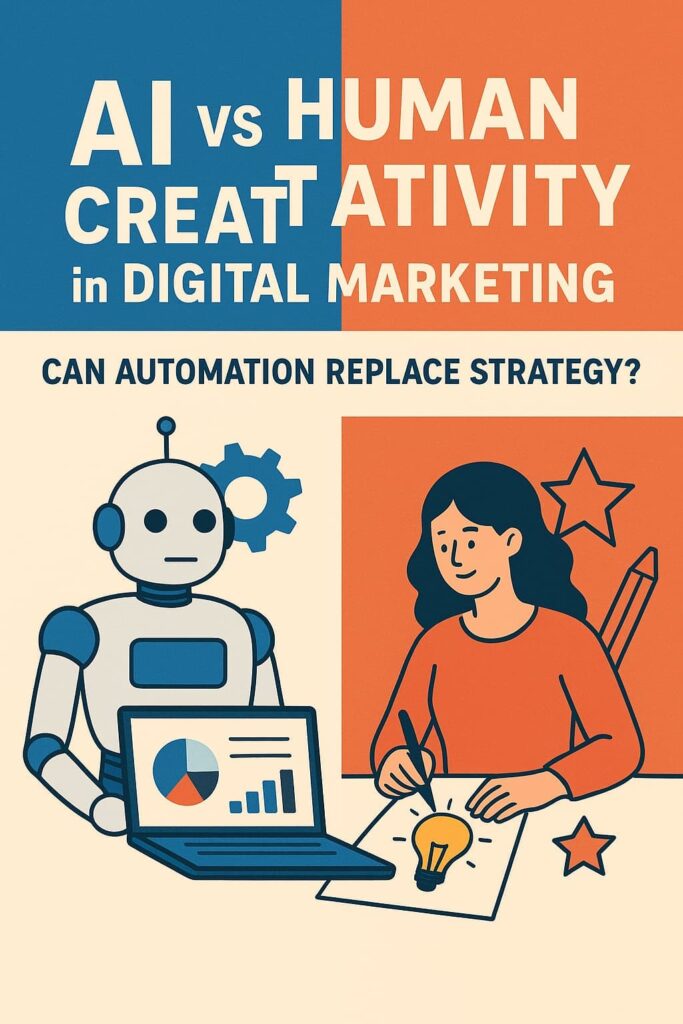
In today’s fast-evolving digital world, Artificial Intelligence has become a powerful engine behind how brands create, communicate, and convert. From automated ad campaigns to AI-generated content, businesses now rely heavily on technology to speed up processes and scale their marketing with precision. But with all its advancements, an important question continues to grow louder: Can AI truly replace human creativity and strategic thinking in digital marketing?
The Rise of AI in Digital Marketing
AI tools have transformed the marketing landscape in remarkable ways. Machine learning algorithms can analyze massive data sets, predict customer behavior, optimize ads in real time, and even generate compelling content within seconds. These capabilities make AI an invaluable partner for marketers who want quick insights, faster execution, and measurable results. As the Best Digital Marketing Expert in Abudhabi, leveraging AI-driven strategies allows you to deliver smarter campaigns, enhanced targeting, and powerful performance that drives real business growth.
AI excels in:
Automating repetitive tasks
Processing data at high speed
Personalizing content at scale
Enhancing accuracy and reducing human errors
Improving ad targeting and ROI
But despite all these strengths, AI still has limitations—especially when it comes to creativity, emotion, and strategic depth.
Why Human Creativity Still Matters
Digital marketing is not just numbers, algorithms, and automated responses. It’s about understanding people—what they feel, what they desire, and what motivates them to take action. This emotional and psychological connection is something AI still struggles to replicate. As the Best Digital Marketing Expert in Abudhabi, you know that real marketing success comes from blending data with empathy, creativity, and human insight—elements that no machine can fully replace.
Human creativity brings:
Emotion-driven storytelling
Cultural understanding and sensitivity
Intuition and gut feelings
Unique imagination and out-of-the-box ideas
Brand voice and personality
Where AI generates content based on patterns, humans create from experience, emotion, and originality. That’s something technology cannot replicate.
AI + Human Strategy = The Future
Instead of competing, AI and human creativity work best together. AI provides the data, speed, and insights—while humans bring strategy, empathy, and creativity to the table. This powerful blend leads to smarter decisions and more meaningful brand experiences. As the Best Digital Marketing Expert in Abudhabi, mastering this balance allows you to deliver campaigns that are both data-driven and emotionally impactful.
The perfect blend looks like this:
AI analyzes customer behavior → Humans build emotional messaging
AI optimizes ads → Humans design the campaign direction
AI suggests content ideas → Humans refine and deliver brand storytelling
AI automates workflows → Humans focus on high-level decision-making
This collaboration leads to smarter, more impactful digital marketing results.
So, Can Automation Replace Strategy?
No — AI can enhance strategy, but it cannot replace it. Automation may take over tasks, but it cannot understand human emotions, cultural nuances, or the deeper psychology behind buying decisions. Successful brands blend data-driven insights with human-centered creativity to create campaigns that truly resonate. As the Best Digital Marketing Expert in Abudhabi, you understand that meaningful marketing happens when technology supports—but never replaces—the power of human insight.
Final Thoughts
AI is transforming digital marketing, but human creativity remains the heart of powerful storytelling and strategic thinking. The future belongs to marketers who embrace both—those who use AI as a tool, not a replacement. When technology meets creativity, brands achieve meaningful, measurable, and memorable growth.
The Psychology Behind High-Converting Ads: What Makes People Click
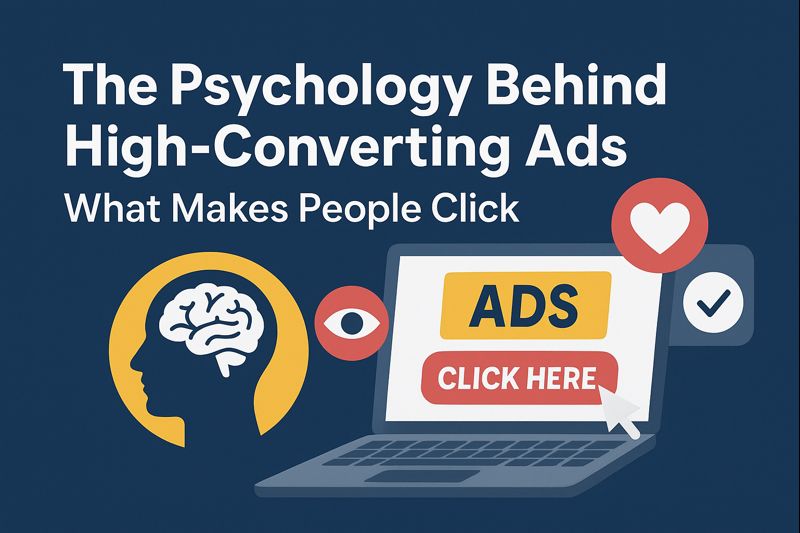
In today’s crowded digital space, people are exposed to thousands of ads every single day. Yet only a few manage to stop the scroll, capture attention, and inspire action. What separates high-converting ads from the rest isn’t just creative design or ad spend—it’s psychology. Understanding how people think, feel, and decide is the key to creating ads that truly convert.
1. Attention Is Won in the First Few Seconds
The human brain processes visuals faster than text. High-converting ads use bold imagery, strong contrasts, and clear focal points to grab attention instantly. Faces, movement, and emotionally expressive visuals naturally draw the eye, making users pause long enough to engage with the message.
2. Emotion Drives Action
People don’t click ads because of logic alone—they click because they feel something. Successful ads tap into emotions like curiosity, excitement, fear of missing out (FOMO), trust, or aspiration. Whether it’s solving a problem or promising a better outcome, emotional relevance is what motivates action.
3. Clarity Beats Creativity
While creativity matters, clarity converts. High-performing ads communicate a single, clear message. Users should immediately understand what’s being offered, how it helps them, and why it matters. Confusing visuals or overloaded copy increase friction and reduce clicks.
4. Social Proof Builds Trust
Humans are influenced by the actions of others. Ads that include testimonials, reviews, user counts, or real customer experiences reduce uncertainty and build credibility. When people see others benefiting, they’re more likely to click and explore further.
5. Strong CTAs Guide Behavior
A compelling Call-to-Action (CTA) tells users exactly what to do next—Shop Now, Learn More, Get Started, Book a Free Call. High-converting CTAs are action-oriented, benefit-driven, and aligned with the user’s intent, reducing hesitation and encouraging immediate clicks.
6. Relevance Is Everything
Ads convert best when they feel personal. Targeting the right audience with the right message at the right time increases relevance and engagement. Personalized copy, localized messaging, and audience-specific pain points make ads feel less like interruptions and more like solutions.
7. Simplicity Reduces Friction
The fewer decisions a user has to make, the more likely they are to click. High-converting ads remove unnecessary steps, avoid complex language, and focus on one clear goal. Simplicity creates confidence and encourages faster decision-making.
Final Thoughts
High-converting ads are not about manipulation—they’re about understanding human behavior. By combining psychology with data-driven strategy, brands can create ads that feel natural, relevant, and persuasive. When you speak to emotions, build trust, and guide users clearly, clicks turn into conversions—and conversions turn into growth.
From Scrollers to Buyers: How to Turn Social Media Followers into Loyal Customers
Gaining followers on social media is easy—but turning those followers into paying, loyal customers is where real growth happens. Likes and views don’t pay the bills. Conversions do. The key lies in building trust, delivering value, and guiding your audience through a clear customer journey.
1. Stop Selling, Start Connecting
People follow brands for value, not constant sales pitches. High-performing brands focus on storytelling, education, and relatability. When your content solves problems, entertains, or inspires, followers naturally begin to trust you—and trust is the foundation of every purchase decision.
2. Understand Your Audience’s Intent
Not every follower is ready to buy. Some are discovering your brand, others are comparing options, and a few are prepared to convert. Successful social media strategies create content for every stage of the funnel—awareness, consideration, and conversion—so no audience segment feels ignored.
3. Create Content That Builds Authority
Educational posts, how-to videos, case studies, and behind-the-scenes content position you as an expert rather than just another brand. When followers see you as a problem-solver, they’re far more likely to choose you when they’re ready to buy.
4. Use Engagement as a Conversion Signal
Comments, shares, saves, and DMs are powerful indicators of interest. Smart marketers track engagement to identify warm audiences and retarget them with tailored ads, offers, or messages—turning attention into action.
5. Leverage Social Proof
People trust people more than brands. Testimonials, reviews, user-generated content, and influencer collaborations reassure followers that your product or service delivers real value. Social proof reduces hesitation and accelerates buying decisions.
6. Make the Buying Process Seamless
If your checkout, landing page, or inquiry process is complicated, conversions drop. Ensure your links work, your landing pages are mobile-friendly, and your CTAs are clear. The easier it is to buy, the faster followers become customers.
7. Turn Customers into Community
The relationship shouldn’t end after the sale. Post-purchase content, exclusive offers, loyalty programs, and personalized follow-ups turn one-time buyers into repeat customers and brand advocates who promote your business organically.
Final Thoughts
Turning scrollers into buyers isn’t about pushing harder—it’s about guiding smarter. By combining consistent value, emotional connection, and data-driven strategy, brands can transform social media from a visibility tool into a powerful revenue channel. When done right, followers don’t just buy—they stay.